Sheet Metal Fabrication

Aria’s sheet metal fabrication capabilities are extensive, and we have the technology and expertise to produce high-quality parts quickly and efficiently. we also offer online quoting and ordering.

Start A Sheet Metal Project

step | stp | stl | igs | iges | obj

All uploads are secure and confidential.

MOQ

1 Pcs

Fatest Delivery

3 Days

Shipping

WorldWide

Unique Designs

6000 +

Aria’s Sheet Metal Fabrication Capabilities

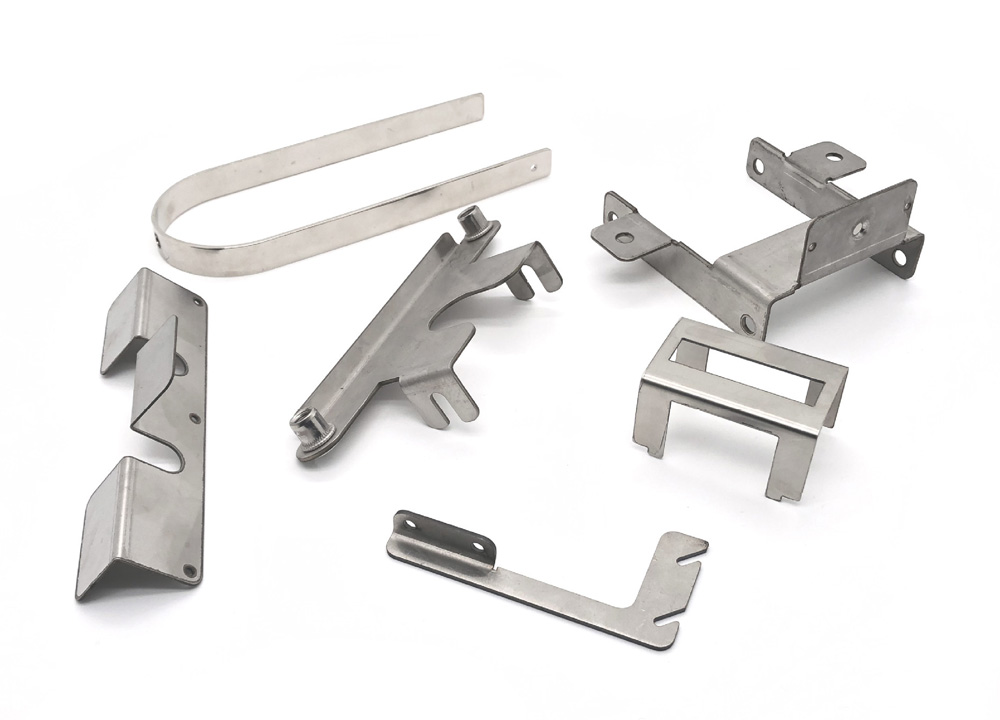
Sheet metal fabrication is an umbrella term for many of the processing methods used to transform flat and 

thin sheets of metal into a quality end use part. Sheet metal refers to thin sheets of metal stock that are no 

more than 0.25 inches thick.

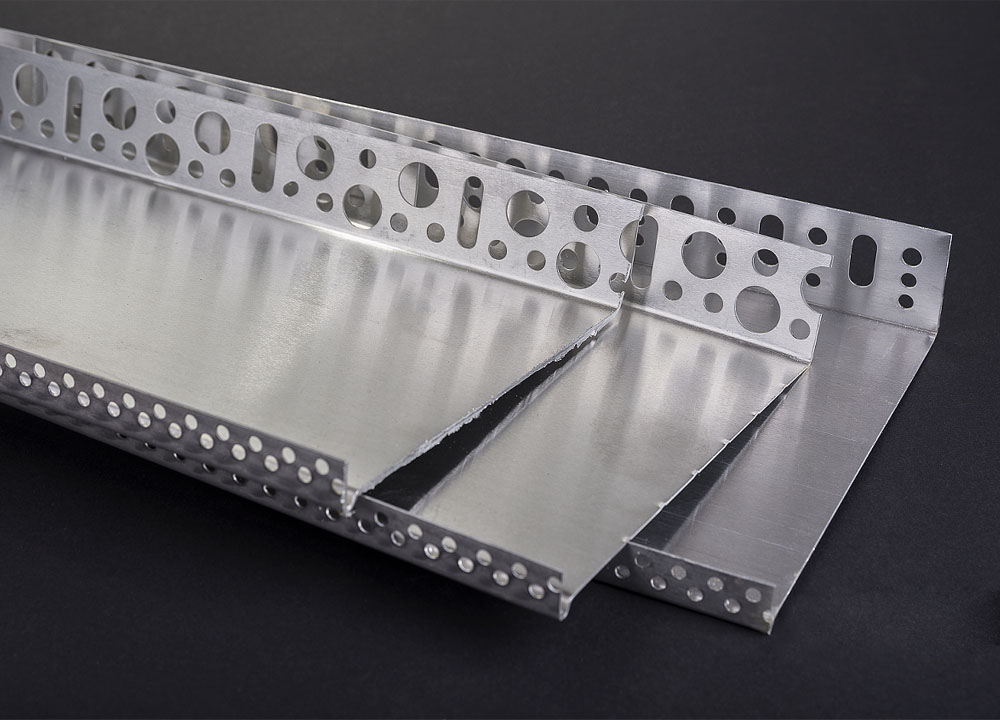
Cutting Materials

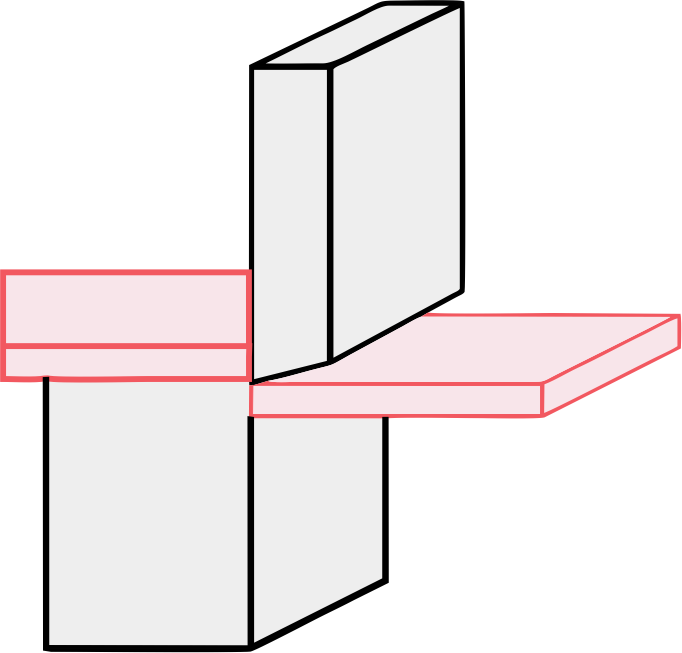
Sheet metal cutting is a process used to cut thin, flat pieces of metal into specific shapes and sizes.

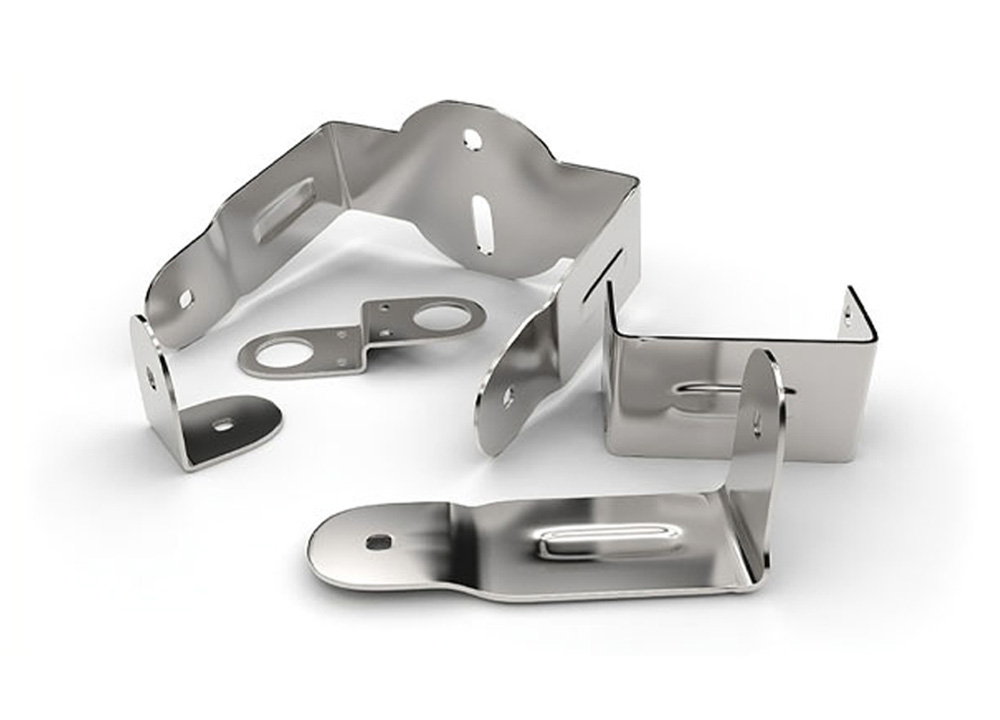
Bending

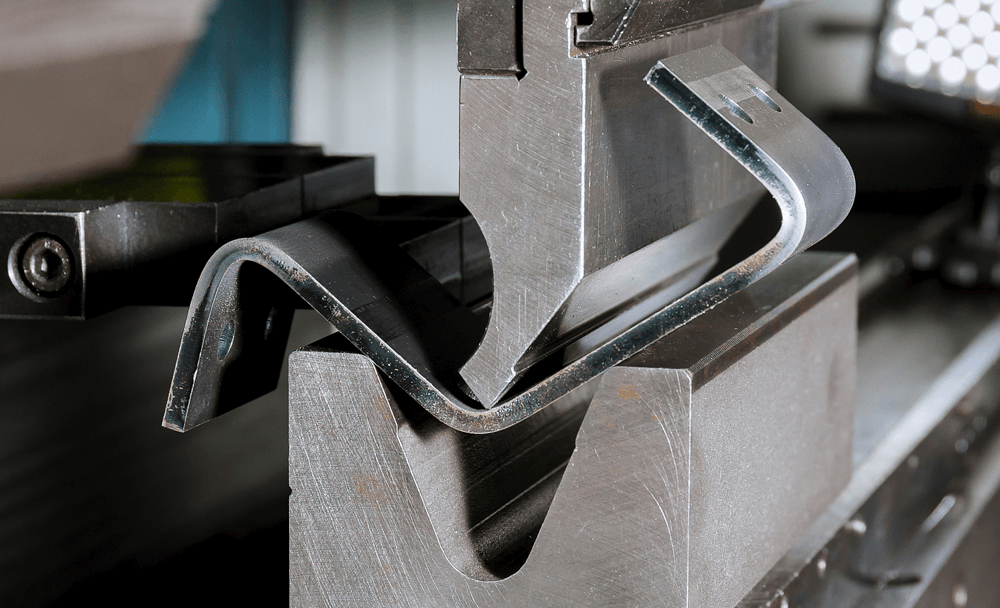
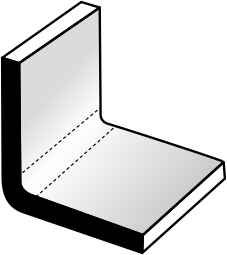
Sheet metal bending is the process of using a machine to shape thin, flat sheets of metal into a desired form or shape.

Welding

It is the process of joining two or more pieces of sheet metal together using heat and pressure to create a permanent bond.

Surface Finish

The surface quality can affect the appearance, durability, and performance of the final product.

Sheet Metal Fabrication Cutting Process

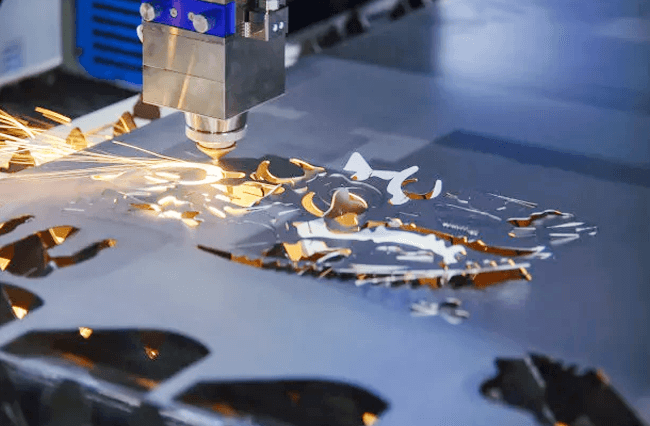
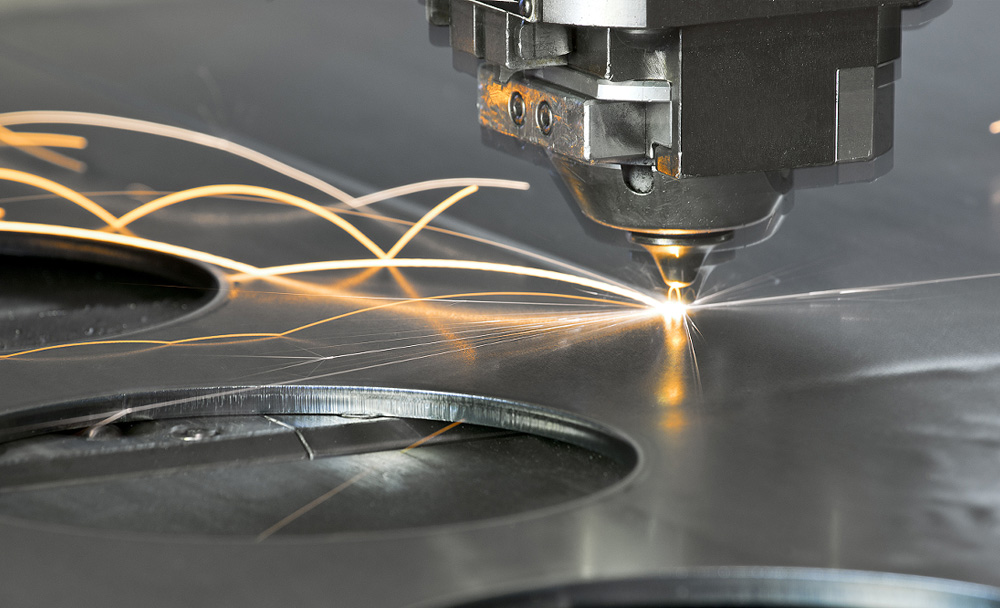
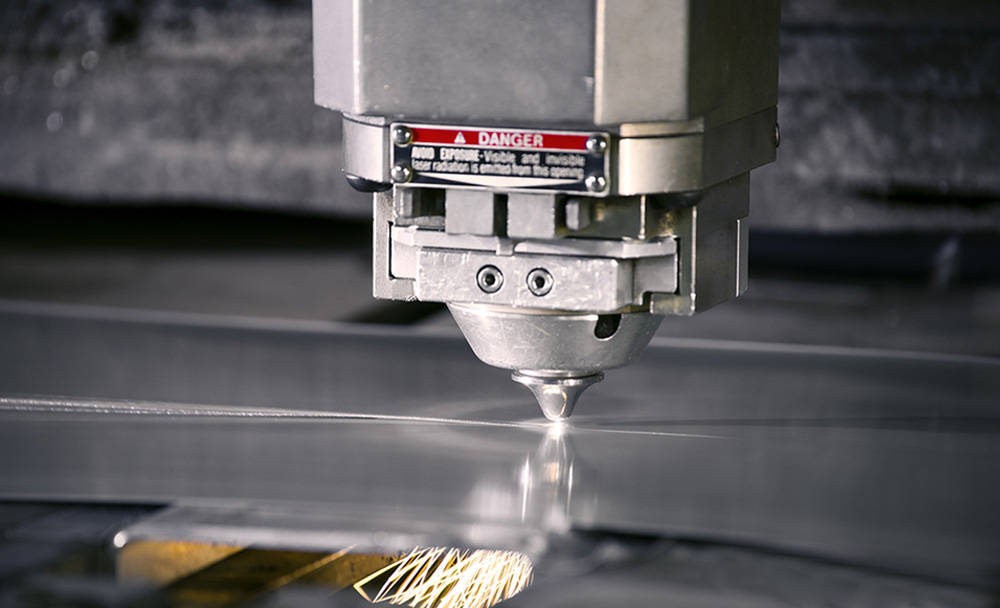
Laser Cutting

Laser cutting speed, high quality, dimension accuracy of parts up to ±0.05mm. With smooth surface, surface roughness is only dozens of microns, no mechanical processing, parts can be used directly.

Plasma Cutting

Plasma cutting machine does not need to preheat the workpiece, melting speed, cutting surface smooth, not easy to cause workpiece deformation; When cutting the workpiece with thickness less than 40mm, both quality and speed have obvious advantages.

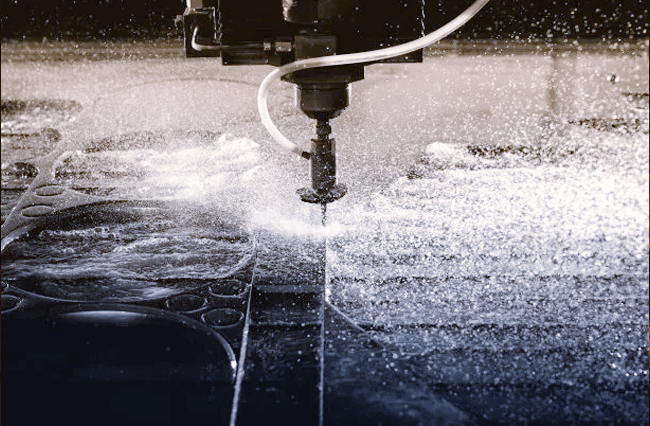
Water jet Cutting

Water jet cutting can be arbitrarily carved workpiece, and is little affected by the texture of the material. Because of its low cost, easy operation, and high yield, water cutting is gradually becoming the mainstream of industrial cutting technology.

Type of Sheet Metal Bending

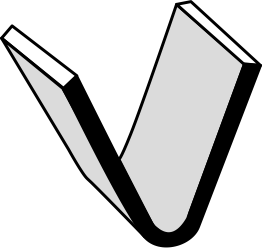
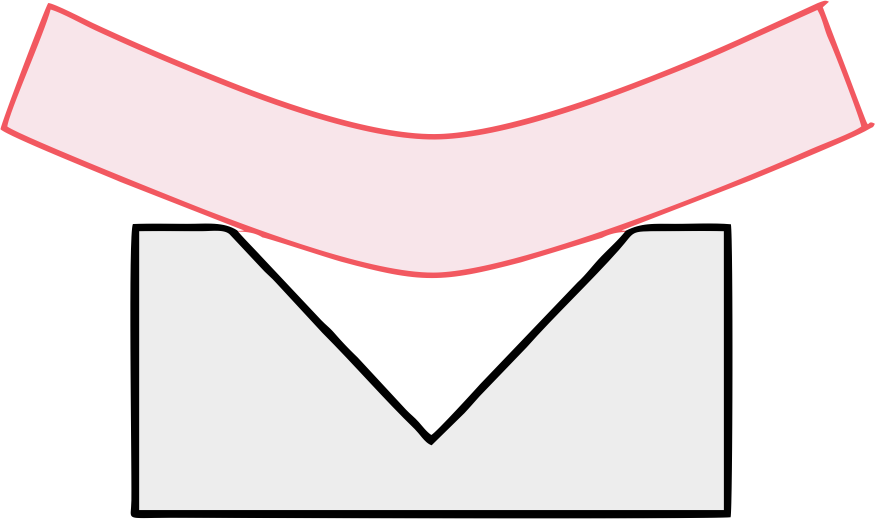
V-shaped

The upper part of the workpiece is compressed, and the lower part is adjacent to the walls of the mechanism and stretched

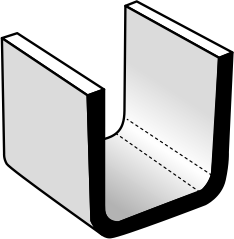
U-shaped

The program is almost identical to V-Shape, the difference is only in the number of processing steps;

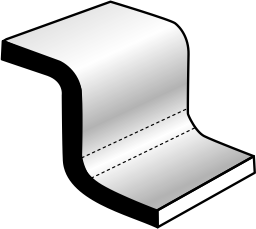
Multi-angle

Allows you to form complex shapes, while to create a structure, you can use both one element and several;

Radius

Allows you to get a smooth bend, used to create loops, clamps, and so on.

Sheet Metal Fabrication Welding Process

The manufacturing method usually depends on the size of the part, the complexity of the design, and the type of 

finish. We offer the most popular metal fabrication operations covering cutting, forming and joining processes.

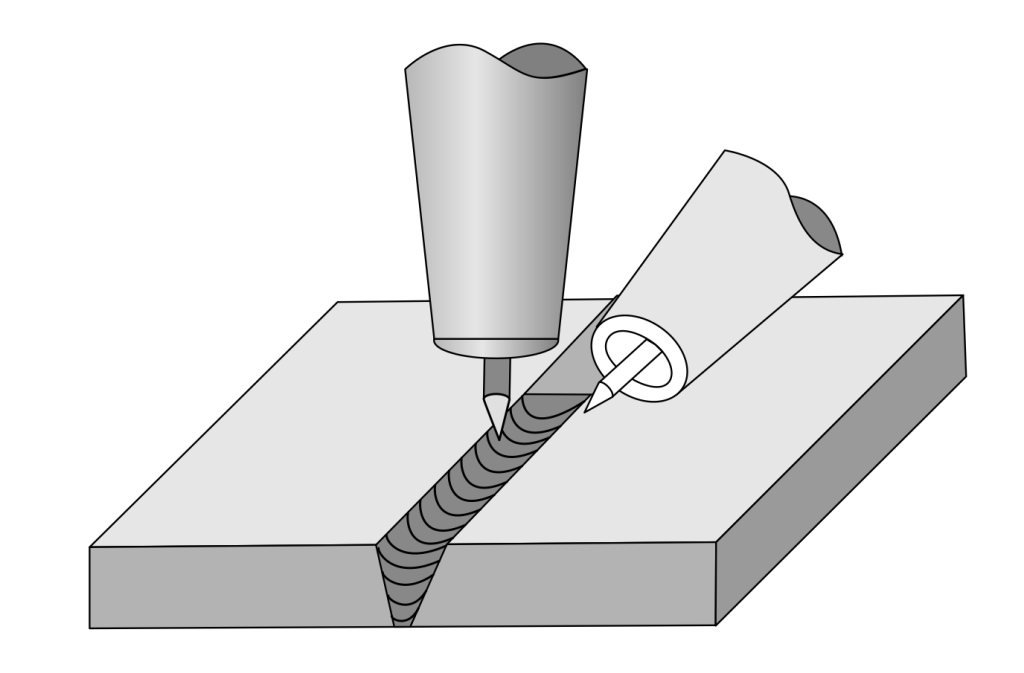
Gas Tungsten Arc Welding

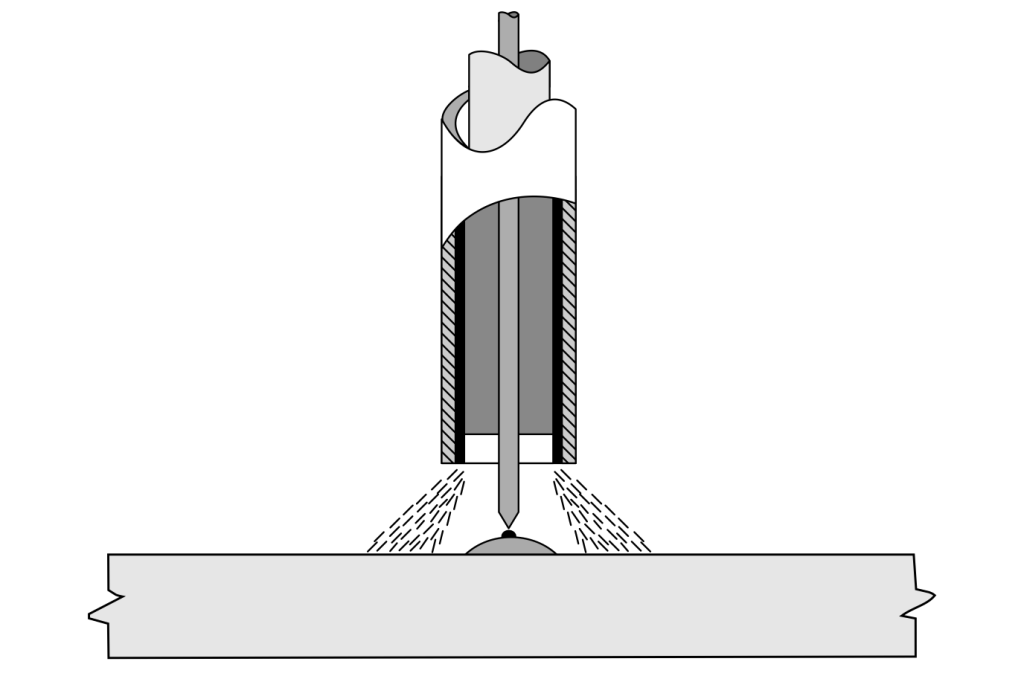
This process uses a tungsten electrode to create an arc that melts the metal and filler rod. It is a very precise welding method that produces high-quality welds with minimal distortion and spatter. TIG welding is commonly used for welding thin sheet metal.

Gas Metal Arc Welding

This process uses a wire electrode that is fed through a welding gun and into the weld pool. The wire melts and fuses the metal together. MIG welding is faster than TIG welding and can be used for thicker sheet metal.

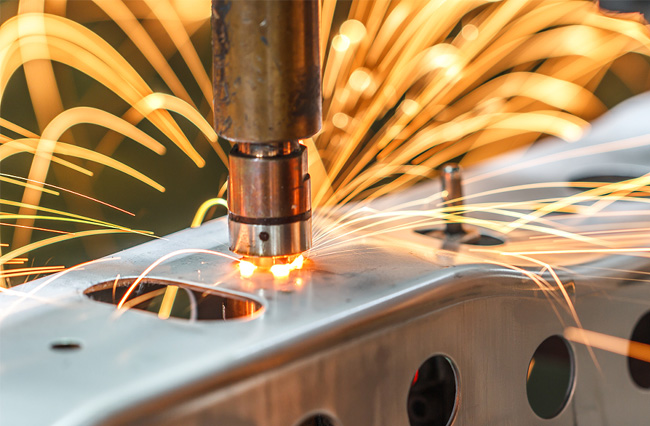
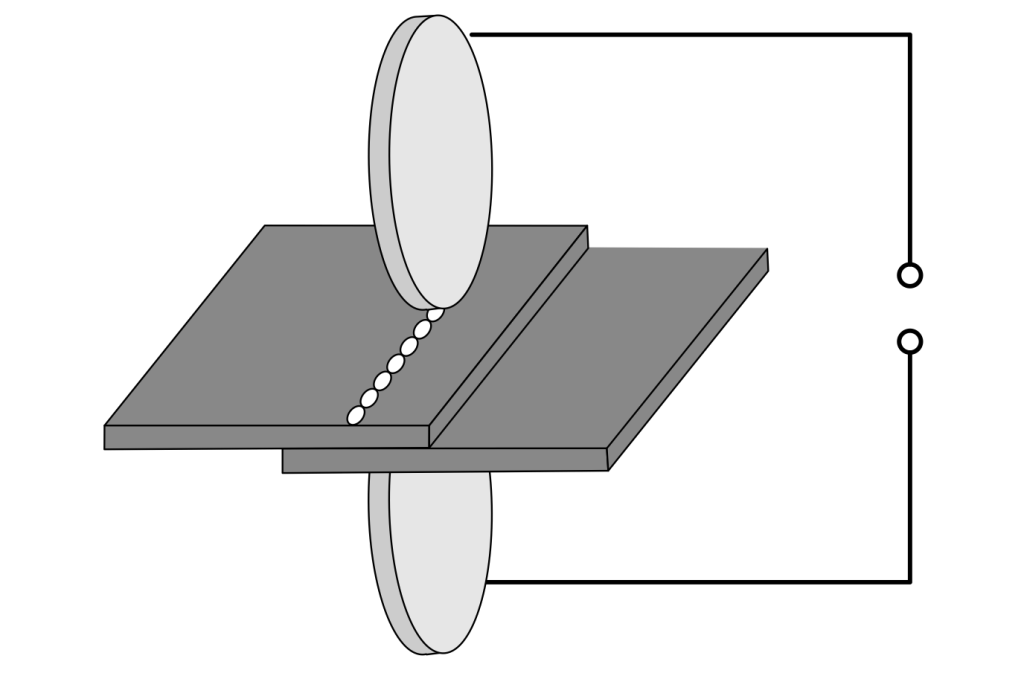
Resistance Spot Welding

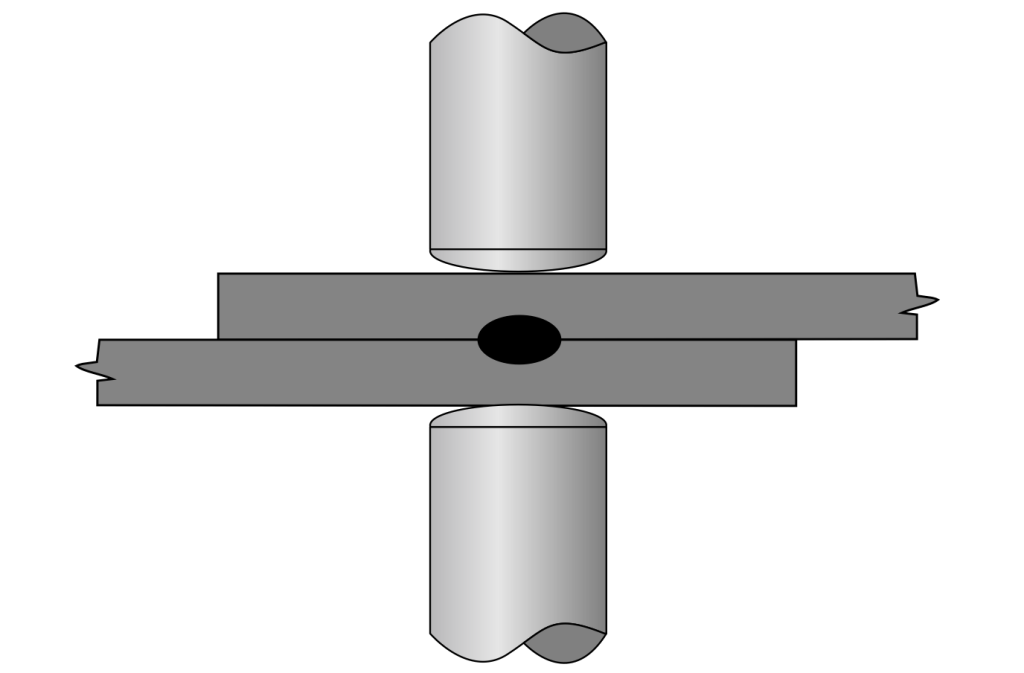
This process uses two copper electrodes to apply pressure and heat to the metal. The heat melts the metal at the point of contact, creating a weld. Spot welding is a fast and efficient process that can be used for high-volume production.

Resistance Seam Welding

This process is similar to spot welding but instead of welding at a single point, it creates a continuous weld along the seam of two sheets of metal. It is commonly used for joining sheet metal in automotive applications.

Laser Welding

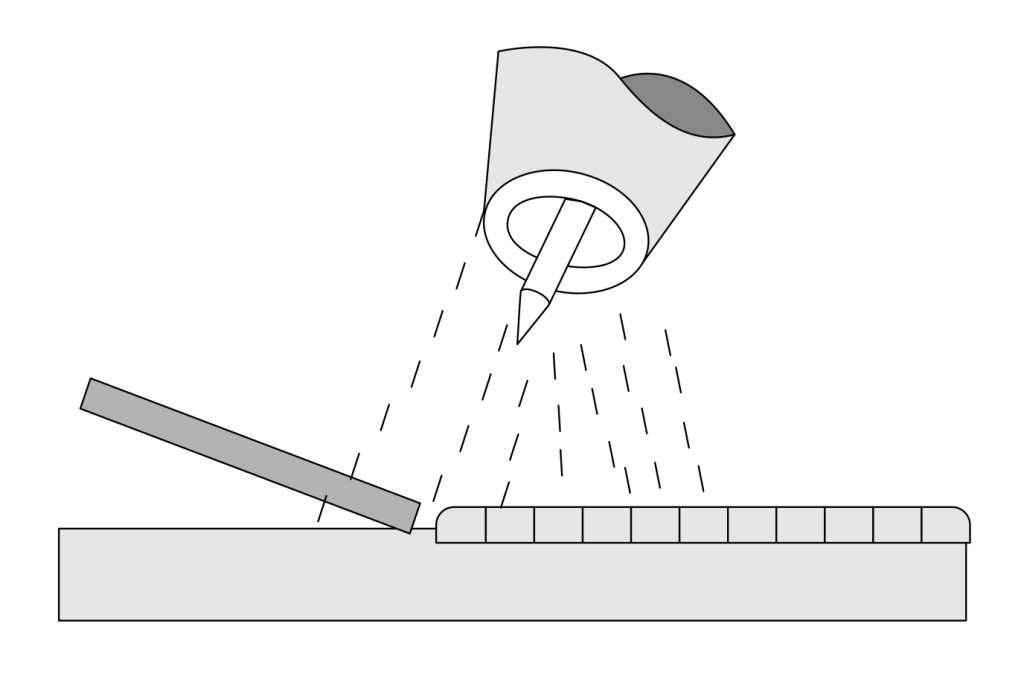
This process uses a high-powered laser to melt the metal and create a weld. It is a very precise and fast welding method that is commonly used for welding sheet metal in the aerospace industry.

Sheet Metal Fabrication Materials

The material you use for your vacuum casting will depend on the application and desired properties of the final 

product. Some of the most common materials include:

Aluminum

Aluminum’s combination of lightweight, strength, corrosion resistance, ductility, recyclability, and cost-effectiveness make it a popular choice for sheet metal fabrication.

Subtypes:

5052     5754     7075

Stainless Steel

Stainless steel is a popular material for sheet metal fabrication due to its corrosion resistance, strength, aesthetic appeal, hygiene, heat resistance, machinability, and cost-effectiveness.

Subtypes:

304     316     316L     410
416L    420    430      440

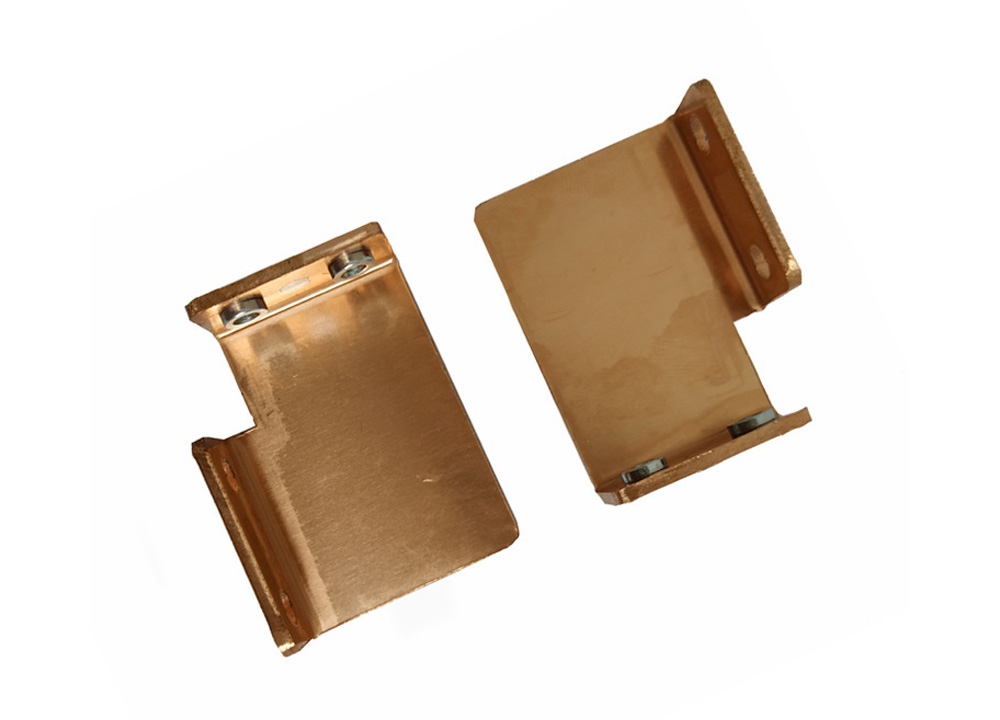
Copper

Copper is a highly malleable material that can be easily formed and molded without cracking or breaking. This makes it ideal for sheet metal working. Because of its high conductivity, it is often used in the electronics industry.

Subtypes:

Lorem ipsum dolor sit amet, consectetur adipiscing elit. Ut elit tellus, luctus nec ullamcorper mattis, pulvinar dapibus leo.

Mild Steel

Steel is the most commonly used material for sheet metal. It is a strong and durable material that can be easily formed and fabricated. Steel sheet metal is often used in construction, automotive, and aerospace industries.

Subtypes:

Mild steel 1008     Mild steel 1018     Mild steel 1020
Mild steel 1025     Mild steel 1045     Cold Rolled Steel

Sheet Metal Fabrication Surface Finish

Name

Image

Used Materials

Color

Descriptions

Alodine

Aluminum,
Copper

Clear,
Yellow

Alodine creates an oxide layer on sheet metal that improves corrosion resistance and enhances bonding with coatings or finishes. It is commonly used in industries such as aerospace and automotivethat require high levels of corrosion resistance.

Learn More

Anodizing

Aluminum

Clear, Yellow,
Green, Blue,
Black, Orange,
Purple, Red

Anodizing is a surface treatment process primarily used on aluminum parts. One of the key benefits of anodizing is its ability to produce a range of vibrant colors, which not only enhance the appearance but also provide added protection.

Learn More

Black Oxide

All Materials

Black

Black oxide is a chemical treatment process that converts the surface of sheet metal parts into a black iron oxide layer, providing an even and attractive appearance while enhancing the metal’s corrosion and wear resistance.

Learn More

Brushing

Aluminum,  Stainless Steel, Mild Steel

N/A

Brushing is a physical process that involves using a brush or abrasive material to create fine lines or scratches on sheet metal parts. This creates a textured appearance and can hide surface defects or scratches.

Learn More

Chrome-Plating

Aluminum, Stainless Steel, Mild Steel, Copper

Chrome

Chrome plating offers several benefits for sheet metal, including its high durability, resistance to corrosion and wear, and attractive appearance.

Learn More

Passivation

Aluminum, Stainless Steel, Mild Steel

N/A

Passivation is a chemical process that creates a protective oxide layer on the surface of a sheet metal parts to prevent further oxidation or corrosion.

Learn More

Powder Coating

Aluminum, Stainless Steel, Mild Steel, Copper

Can be Customized

Alodine creates an oxide layer on sheet metal that improves corrosion resistance and enhances bonding with coatings or finishes. It is commonly used in industries such as aerospace and automotivethat require high levels of corrosion resistance.

Learn More

Bead Blast

Aluminum, Stainless Steel, Mild Steel, Copper

N/A

Bead blasting can be used to create a matte or textured surface on sheet metal parts or to improve the adhesion of a coating to a metal part.

Learn More

Design Considerations

Wall thickness

The wall thickness of a sheet metal fabrication part is an important design consideration that will depend on the application and the material being used.

For sheet metal fabrication, the thickness of the sheet metal typically ranges from 0.005 inches to 0.25 inches (0.13mm to 6.35mm).

Bending radius

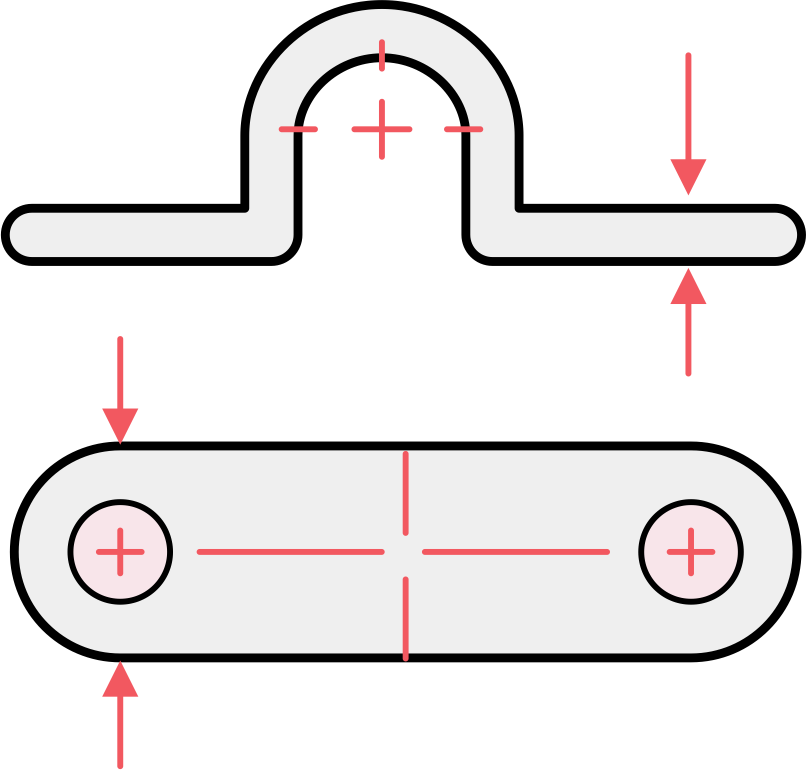
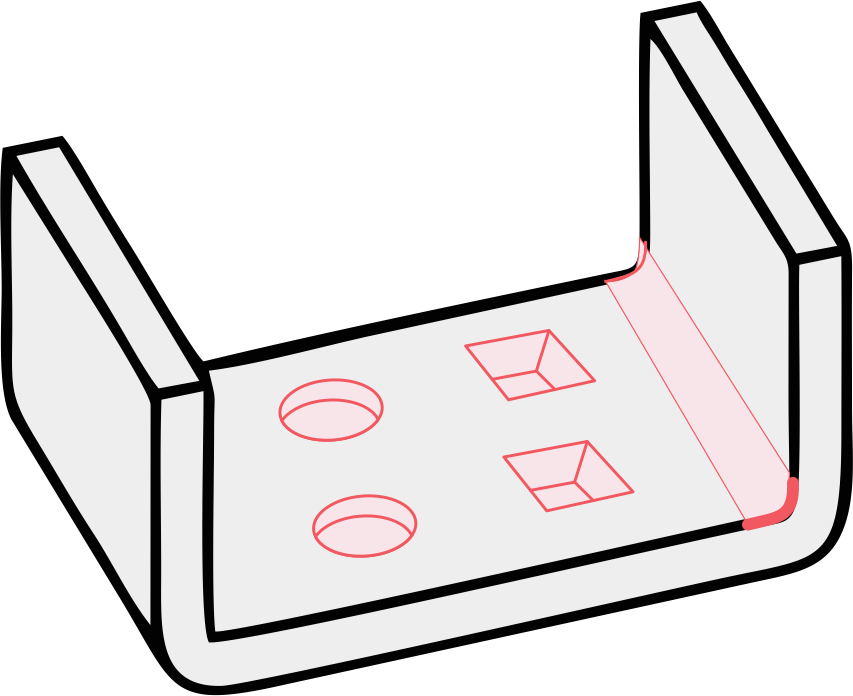
When designing parts for sheet metal fabrication, it is important to consider the minimum bend radius for the material being used. If the bend radius is too small, the material may crack or deform, which can compromise the strength and durability of the part.

Hole size

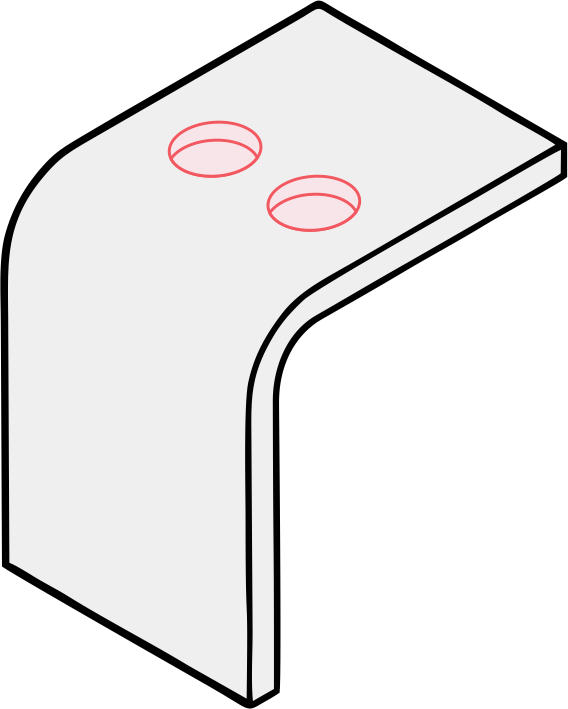
The size of the hole you need to make depends on the specific application and the material being used. In general, the hole diameter should be no less than the thickness of the material to avoid distortion or cracking.

Hole spacing

The spacing between holes is also important, as it can affect the overall strength and stability of the sheet metal. In general, the distance between holes should be at least two times the diameter of the hole.

Tolerance

When drilling holes in sheet metal, it’s important to maintain a tight tolerance to ensure the holes are uniform in size and spacing. A tolerance of +/- 0.005 inches is generally recommended for most applications. More Detail

Hole shape

The shape of the hole can also impact the strength and durability of the sheet metal. Round holes are the most common, but other shapes like square or rectangular holes can be used for specific applications.

Sheet Metal Fabrication FAQs

Q: What is Sheet Metal Fabrication?

A: Sheet metal fabrication is the process of creating parts, components and structures out of sheet metal.

Sheet metal fabrication involves cutting, forming, welding, painting and finishing of the material to create an end product that is both attractive and durable.
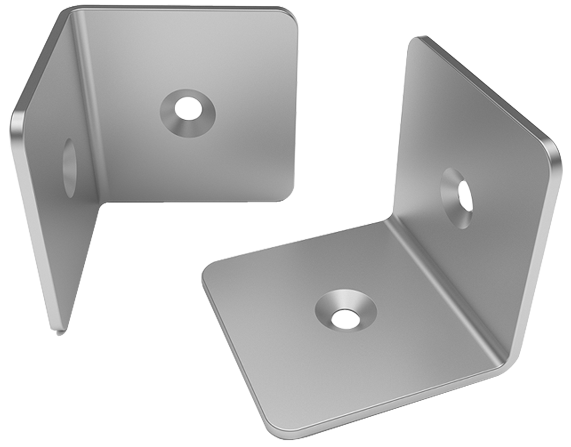
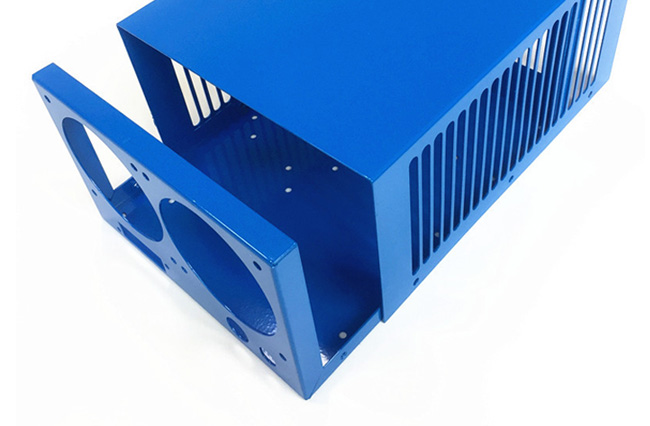
A: It can be used to create furniture, industrial machinery, automotive and aerospace structures, medical equipment and more. Sheet metal fabrication is often used in cases where the size and shape of the product need to be exact so it works perfectly with the rest of the system. It is also great for creating complex parts with intricate details, such as cooling fans and housings.
A: The cost of sheet metal fabrication depends on the complexity and size of the project. Generally speaking, larger projects that require more intricate details will cost more than smaller, simpler projects. Additionally, there can be additional costs associated with painting and finishing processes. It’s best to consult a professional to get an accurate estimate for your specific project.

Get Your Free Quote About Sheet Metal Parts Today.

Sheet Metal Fabrication Resources

Scroll to Top